Panera Chicken Noodle Soup Price & Calories (2026)
Explore Panera Chicken Noodle Soup price, calories, and nutrition facts by serving size. Compare cup, bowl, and bread bowl options, and find details about ingredients, allergens, and current menu availability before ordering.
Cup
$7.19
120 Calories
Bowl
$8.99
180 Calories
Bread Bowl
$9.48
770 Calories
Group
$23.59
420 Calories
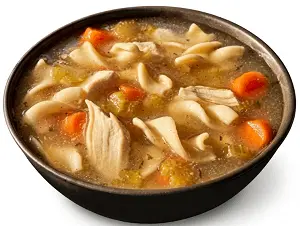
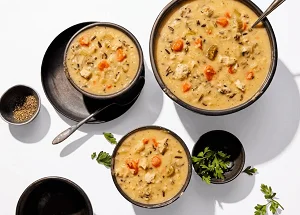
 Panera Chicken Noodle Soup Bowl
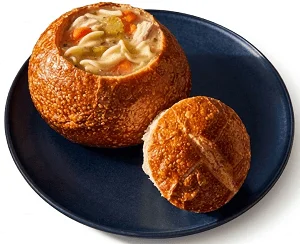
- Panera Chicken Noodle Soup Bread Bowl
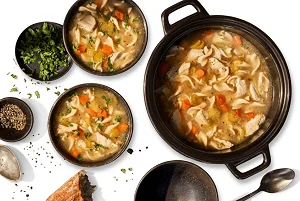
- Panera Chicken Noodle Soup Group Serving
Panera Bread Chicken Noodle Soup Nutrition Facts
Calories tell only part of the story. Panera’s current US nutrition guide lists the following values for a standard bowl of Chicken Noodle Soup:
| Nutrient | Amount per bowl |
| Calories | 180 |
| Total fat | 4.5 g |
| Saturated fat | 1.5 g |
| Cholesterol | 50 mg |
| Sodium | 1,570 mg |
| Carbohydrates | 21 g |
| Dietary fiber | 0 g |
| Total sugars | 3 g |
| Protein | 14 g |
Panera Chicken Noodle Soup Ingredients
Does Panera Chicken Noodle Soup Contain Allergens?
Yes. Panera Homestyle Chicken Noodle Soup contains two declared allergens: egg and wheat. The egg comes from the egg noodles, which are made with wheat flour, egg whites, and eggs.
The bread bowl also contains wheat, and Panera warns that shared equipment and food-handling practices may cause cross-contact with other allergens. If you have a food allergy, check the latest allergen information for your selected café and speak with a manager before ordering.
Is Panera Chicken Noodle Soup gluten-free?
No. Panera Homestyle Chicken Noodle Soup is not gluten-free. It contains egg noodles made with durum semolina wheat flour, which is a source of gluten. Panera’s official allergen information also identifies wheat as a declared allergen.
The bread bowl is also not gluten-free because it contains wheat-based sourdough bread. If you need to avoid gluten because of celiac disease or an allergy, choose another option and check Panera’s latest allergen information. Panera also warns that shared equipment may cause cross-contact.
Restaurant Soup vs. Panera at Home Chicken Noodle Soup
Panera’s restaurant soup and its packaged Panera at Home soup are different product formats. Their serving sizes, formulations, and nutrition information should not automatically be treated as interchangeable.
If you are checking calories on a grocery package, use the nutrition label on that package. If you are ordering from a café, use the restaurant menu entry or the current US restaurant nutrition guide.
This distinction helps explain why a retail listing may show a different calorie count from a restaurant cup or bowl.